


Be careful what you wish for
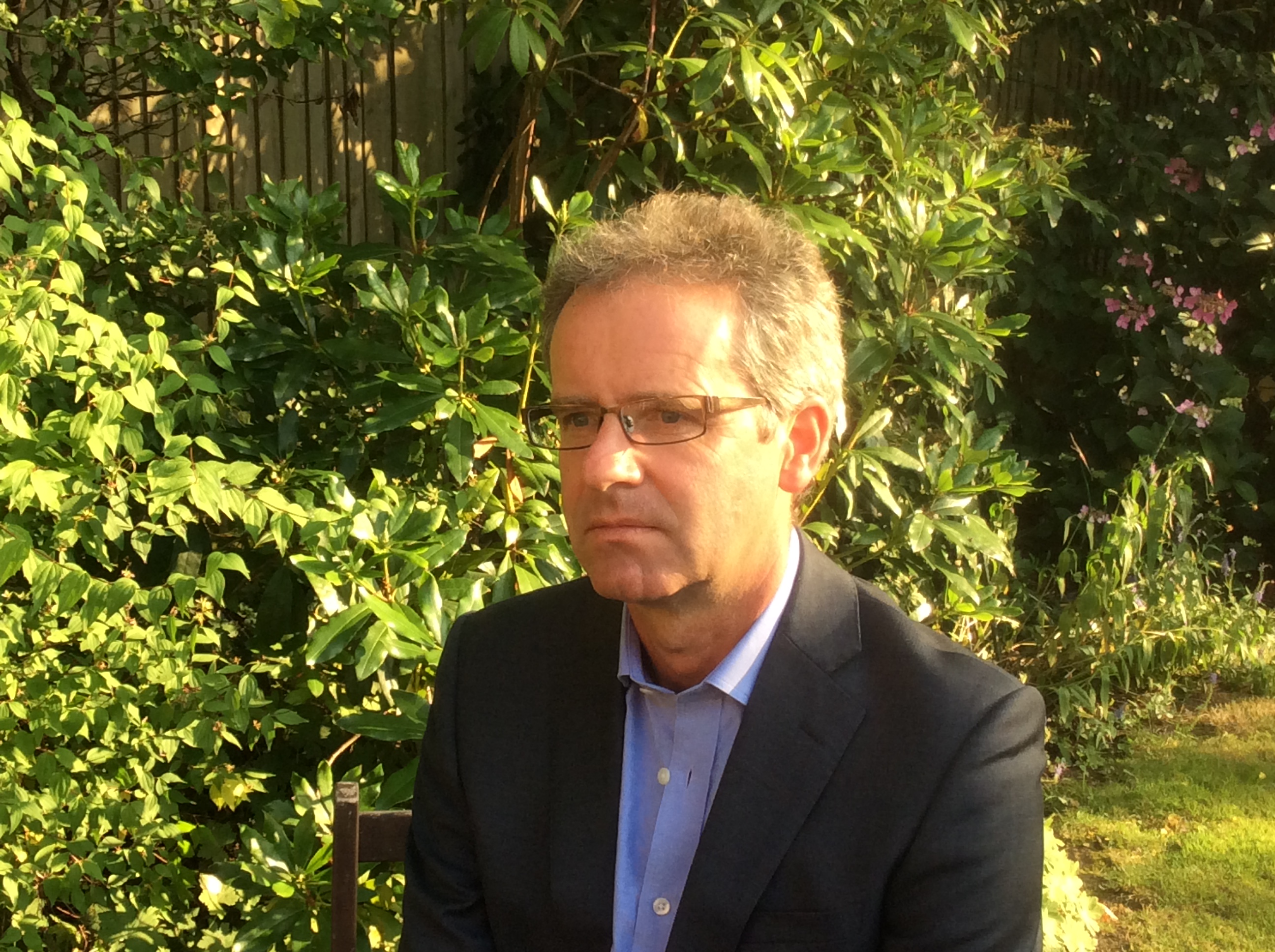
Tim Livesey - former diplomat
The trouble with a lot of modern politics, especially in Britain, is that it is tempted to glory in a thinly disguised disdain for things like history, culture and, to a lesser, extent memory.
History is taught in school, but is quickly forgotten. Culture is regarded as elitist and not especially politically relevant. Memory is more sacred - we are often busy commemorating significant events in our national life - but it tends to be the government that chooses what merits remembering.
This scepticism about the relevance of the past is both understandable and troubling. Ambitious politicians tend to want to be seen as the change candidate; as we saw with the Labour leadership race. There aren’t many points (which in politics translates as votes) to be won from stressing continuity. Whether you are of the left or the right, conservative or progressive, radical change is the name of the game.
Of course politicians will, on occasion, evoke memories of past glories or failures, and argue about the importance of culture, but the big claims for political relevance are always badged as necessary adaptations to the urgent demands of modernity: the new economy, the new politics, and new contemporary social realities.
A ll good stuff and not wrong. Of course we have to move with the times. And we understand that politics is like a bicycle. Stop pedalling and you probably will fall off.
But there is another risk that we shouldn’t fail to address. A different tension at work in our common life. Which is the importance of learning from our mistakes, and knowing how to build on our successes. Things don’t have to be perfect for further progress to be possible. We can only begin from where we are, and where we are is always imperfect. But it is the only platform we have got. And burning the platform on which you stand rarely makes good sense.
In this country, and in twenty seven other countries in Europe, people stand on a platform which is more solid, diverse, plural, and cultured than possibly any other in the world. No less challenged, but remarkable nevertheless. It is called Europe. It is not the whole of our reality but it is an important part of it. And we are richer for it.
Our history has been inextricably tied up with large parts of it for centuries, and many of the events we commemorate arise – sadly – from the era of terrible conflict and tragedy (the twenty-first century) experienced and fought, alongside and against, those we now call our partners. Europe is a place of peaceful co-existence, in stark contrast to the murderous instability along much of its southern and eastern borders. History tells us very loud and very clear to value the thing we have forged together, as well as to work hard to improve it.
Our culture is equally bound up within European roots: linguistic, literary, artistic, religious, mercantile. Increasingly we have borrowed from elsewhere, and that is exciting too. Culture matters. Membership of the EU is not an indispensable key to cultural flourishing, but it helps. So let’s not pull up any imaginary drawbridges which only serves to isolate and impoverish.
And finally memory. Politicians may have short memories but cultures and national identities do not. We need to remember the disasters of the last century, not just because we emerged victors, but because the cost was far too great, and the compelling vision of a common European home, despite our initial reluctance to join, proved too attractive. For all its failings, it still is.
About the author
Tim Livesey is a former diplomat. He was a senior adviser to the Archbishop of Canterbury Rowan Williams and the Archbishop of Westminster Cormac Murphy O’Connor. Until recently he was Chief of Staff to the leader of the Opposition Ed Miliband MP
 Loading ...
There is nothing in Tim Livesey’s piece to disagree with and he does acknowledge that there are imperfections in the EU as it stands. To ignore these imperfections now is to miss the whole point of the debate.
There must be different terms for those inside and outside the Euro Zone and these have to be clarified before we can vote in a referendum. Ever closer union has to stop for those who have chosen not to join while those countries should not be disadvantaged in any way by doing so.
I am a farmer and the one size fits all Agricultural Support schemes are a nonsense. The system before 2005 was deemed inappropriate because it encouraged farmers to produce livestock and crops without reference to what the markets required. The benefits of the new schemes, as applied in the UK, have effectively been removed from those who work the land and banked by landowners. No doubt there are similar malfunctions in other areas and they will be perpetuated unless renegotiation of the treaties allows for greater national choice.
I appeal to those who have made up their minds to vote Yes for Europe to consider carefully what options are open to our nation in both the Yes and No options. At the moment there is no real understanding of or debate about what a No answer in the Referendum would mean to us. Without that debate we will wander into the Poll Booths unprepared to make the better choice.
At a time when the opinion polls are showing a rising proportion of people would vote No, we should all have a sense of urgency about preparing ourselves for either result.
Thank you Tim for this reminder that the flourishing society is one which remembers and values its complex past - both as a warning and as a blessing for the future. We seem to be in a time when politicians who simplify complex issues to single issue solutions - UKIP in relation to the EU, SNP in relation to Scotland and perhaps now Labour in relation to the economy.
Sadly, we have to note that the platform, which all members of the EEC, have to express their views in, is the toothless, European parliament, which can only vote on what the unelected Commissioners put to it, & if the do not vote the way the Commissioners want, they have the ability to ignore it, and do what they want anyway.